Lens and Justice: How Independent Filmmakers Are Cracking Cases That Law Enforcement Abandoned
For decades, the cold case file sat untouched. Witnesses aged. Evidence deteriorated. Families grieved in silence, waiting for a system that had quietly moved on. Then a filmmaker arrived with a camera, a research team, and access to something law enforcement rarely commands: the undivided attention of millions of Americans.
This is no longer an anomaly. It is a pattern — and it is reshaping how justice is delivered in the United States.
The Camera as Investigative Tool
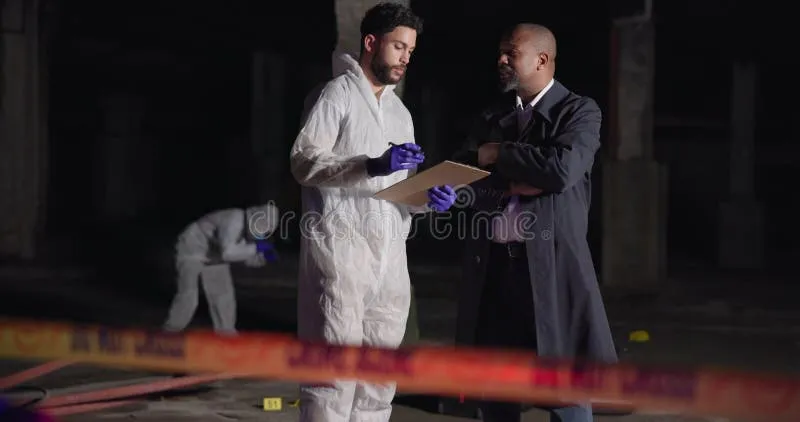
The most celebrated recent examples — Making a Murderer, The Jinx, The Staircase, Your Honor, and dozens of lesser-known regional productions — share a common architecture. A small team of investigators, often journalists or documentary filmmakers with no official authority whatsoever, applies fresh eyes to stagnant evidence. They conduct interviews that detectives never pursued. They hire forensic experts who were never consulted. They file FOIA requests that families were told were unnecessary. And then they broadcast their findings to an audience that transforms passive viewers into active pressure.
The results have been, at times, stunning. The podcast Serial, while not a documentary in the traditional sense, prompted a court to reconsider the conviction of Adnan Syed. The HBO documentary The Jinx elicited what prosecutors later described as a near-confession from Robert Durst, leading directly to his arrest. These are not peripheral outcomes. They are the central result of the investigative process.
What does it mean when a streaming platform outperforms a police department?
Structural Advantages Investigators Don't Have — But Filmmakers Do
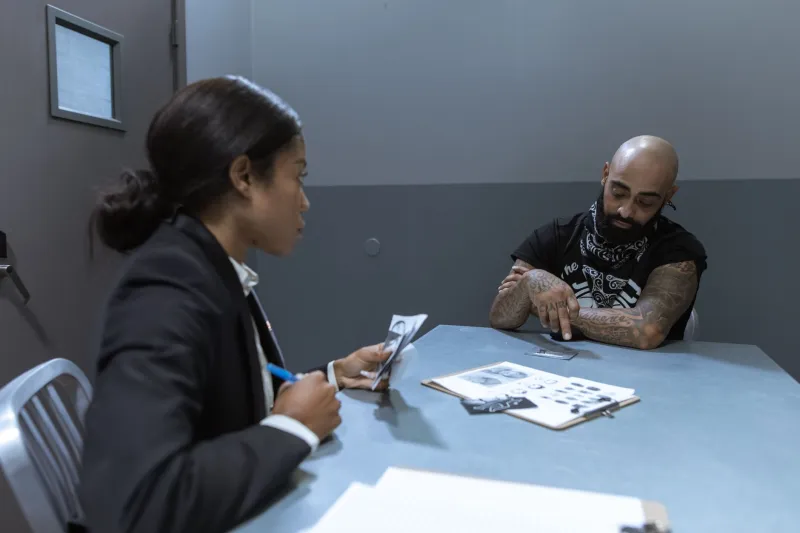
Law enforcement operates within a web of institutional constraints. Budget limitations restrict investigative hours. Jurisdictional boundaries fragment cooperation between agencies. Political pressures — particularly in elected sheriff and prosecutor offices — discourage the reopening of cases that might embarrass a predecessor administration. Detectives carry caseloads that make sustained attention to a single cold case nearly impossible.
Filmmakers carry none of these burdens.
A production team funded by a streaming network or Kickstarter campaign answers only to the truth of the story. They can spend eighteen months on a single case. They can travel across state lines without bureaucratic clearance. They can pay forensic consultants out of production budgets. They can revisit witnesses repeatedly, building trust over time in ways that a single investigative interview never permits. And crucially, they can publish their findings to an audience of millions who will, in turn, generate the kind of political pressure that forces official hands.
This is not a criticism of individual detectives, many of whom are dedicated professionals working within systems that were never designed to succeed. It is a structural indictment — and it is precisely the kind of indictment that the Justice for Jean movement has long demanded.
The Pressure Multiplier: When Viewers Become Advocates
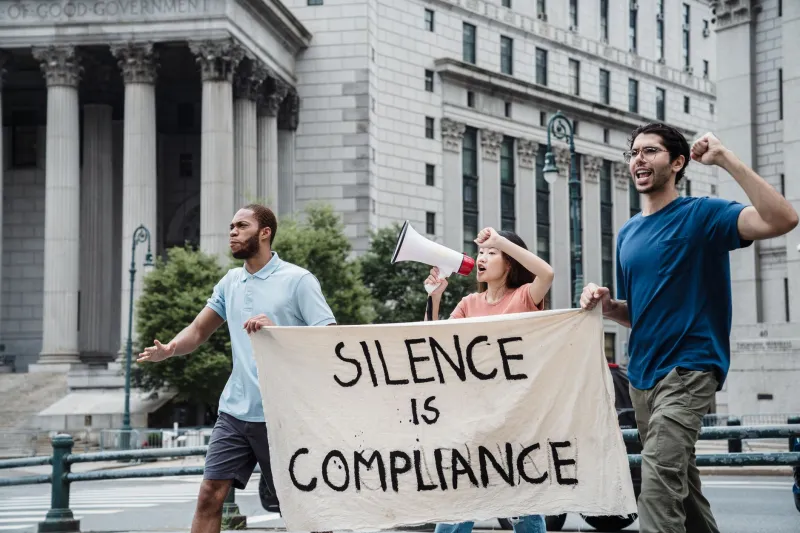
Perhaps the most consequential element of the documentary effect is what happens after the credits roll. Viewers do not simply absorb information passively. They contact police departments. They flood prosecutor offices with calls and emails. They organize online communities that share tips, conduct their own research, and apply sustained social pressure to officials who might otherwise feel no urgency whatsoever.
In 2022, a regional documentary about a decades-old homicide in rural Georgia prompted over four thousand viewer-generated tips to local law enforcement within seventy-two hours of its streaming release. Investigators later acknowledged that several of those tips contained information that had never appeared in the original case file. One tip led directly to a witness interview that had been overlooked for thirty years.
This is the documentary effect in its most potent form: the democratization of investigative pressure. It is what advocacy movements like Justice for Jean have understood intuitively — that public attention, sustained and directed, is itself a form of accountability.
What Filmmakers Find That Investigators Missed
The pattern of documentary discoveries is revealing. Production teams consistently uncover three categories of overlooked material: witnesses who were never interviewed or who refused to cooperate with police but agreed to speak on camera; forensic evidence that was collected but never tested, or tested with outdated methods that modern technology has since surpassed; and documentary records — financial, medical, legal — that were publicly accessible but never subpoenaed.
In each category, the failure is not one of evidence scarcity. It is one of investigative attention and institutional will. The evidence existed. The witnesses existed. The records existed. No one in an official capacity was looking.
This is the systemic failure that documentary filmmakers are exposing with every production — and it is a failure that families navigating neglected cases must name explicitly when demanding accountability.
The Limits of the Lens
It would be irresponsible to celebrate the documentary effect without acknowledging its dangers. Filmmakers, like all investigators, are capable of bias, error, and the distortion that comes from narrative pressure. The demand for a compelling story can sometimes conflict with the demand for rigorous truth. Several high-profile productions have been criticized for presenting incomplete evidence in ways that implied guilt or innocence prematurely.
Furthermore, documentary investigations operate outside the evidentiary rules that govern courtrooms. Information gathered on camera, however compelling, may not be admissible. A near-confession extracted during a filmed interview may create public certainty while remaining legally insufficient. Families and advocates who follow a documentary's lead must understand that public pressure and prosecutorial action are not the same thing.
What Advocates Can Learn
For families and communities fighting for justice — for those standing where Jean's family stands — the documentary phenomenon offers both inspiration and a tactical template. The core lesson is this: official authority is not the only source of investigative power. Sustained public attention, applied methodically and ethically, can move institutions that years of private grief never could.
Advocates should consider engaging with documentary filmmakers and investigative journalists directly. They should document everything — interviews, evidence, timelines — in formats that a production team could work from. They should build the kind of organized, vocal community that transforms a private case into a public demand.
The camera has cracked cases that law enforcement buried. It has done so not because filmmakers are superior investigators, but because they operate with a freedom that official investigators rarely possess and a public platform that official investigators almost never have.
Justice is not the exclusive property of the state. Sometimes, it lives in the lens of a camera — and in the eyes of millions of Americans who refuse to look away.